Bagged concrete vs ready mix: when to switch
Bagged concrete is convenient for small jobs. Ready mix is faster and more consistent once the volume, labor, and timing get too large for hand mixing. The right choice depends on cubic yards, access, schedule, and how much risk you can accept during the pour.
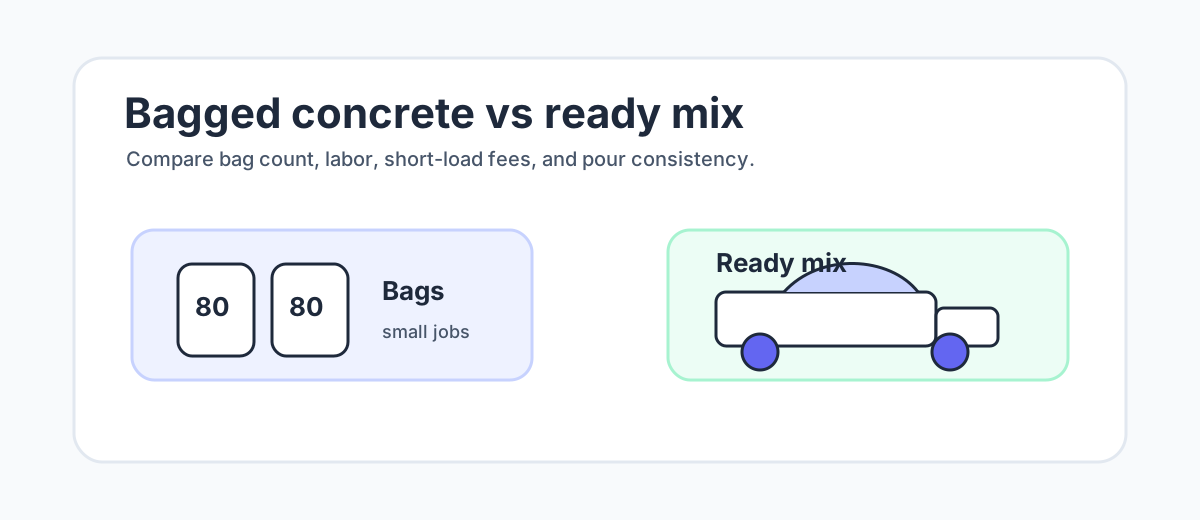
Bagged concrete vs ready mix basics
When should I use bagged concrete?
Use bagged concrete when the job is small, access is tight, or the work can be done at a controlled pace. Fence posts, mailbox posts, a short repair patch, a small equipment pad, or a few deck footings can make sense in bags because you can carry the material to the exact spot and mix only what you need. Bags are also useful when a ready-mix truck cannot reach the site or when the pour is too small for a supplier's minimum order.
The tradeoff is labor. Every bag must be moved, opened, mixed, placed, and cleaned up. A single 80 lb bag is manageable for many people. Fifty or sixty bags become a real material-handling job, especially if the path from the driveway to the forms includes stairs, slopes, mud, or a narrow gate.
When is ready mix concrete better?
Ready mix is usually better when the pour is large enough that hand mixing would slow the work, create inconsistent batches, or exhaust the crew before finishing starts. A patio, sidewalk run, garage apron, thick pad, or long footing can require more time than a small mixer can supply. Ready mix arrives as one consistent batch, places quickly, and gives the crew more time to screed, edge, joint, and finish the surface.
Ready mix also helps when the quality risk is high. If a slab must be placed before the surface starts setting, mixing dozens of bags one at a time can create cold joints and visible differences in finish. The truck may cost more upfront, but it can reduce the chance of a poor pour.
Volume and bag-count breakpoints
How many bags equal one cubic yard?
One cubic yard is 27 cubic feet. A common 80 lb bag yields about 0.60 cubic feet, so one cubic yard takes about 45 bags before waste. A 60 lb bag yields about 0.45 cubic feet, so one cubic yard takes about 60 bags. A 50 lb bag yields about 0.375 cubic feet, and a 40 lb bag yields about 0.30 cubic feet. Brand labels vary, so treat these as planning estimates and verify the product you actually buy.
This is the point where the decision becomes practical. Forty-five 80 lb bags weigh roughly 3,600 lb before water, packaging, and handling. If the measured job is close to one cubic yard, check the concrete bag calculator and then compare that count with delivery options instead of assuming bags are automatically cheaper.
Is half a yard too much for bags?
Half a cubic yard is about 23 bags at 80 lb or 30 bags at 60 lb before waste. That can be reasonable for a prepared crew with a mixer, clear staging space, and a simple placement. It can be a bad plan if the pour needs a smooth finish, the weather is hot, or only one person is mixing. The smaller the crew and the more visible the finish, the earlier ready mix starts to look attractive.
Cost, fees, and labor
Is ready mix cheaper than bags?
Ready mix is not always cheaper on the invoice, but it may be cheaper for the job. Bags can win for very small quantities because you avoid delivery minimums and short-load fees. Ready mix can win once bag count rises, especially after you include mixer rental, extra labor, fuel, delivery, waste, and the value of finishing the pour without rushing.
A useful comparison is total job cost per placed cubic foot, not just price per bag or price per yard. Include waste factor, rounding, rental equipment, delivery charge, and the number of people needed to place the concrete before it stiffens. A bag job that looks cheaper at the store can become expensive if it requires a second trip or leaves the crew short during finishing.
What about short-load fees?
Short-load fees are common when a ready-mix order is below the supplier's preferred truck volume. A one-yard order may carry a fee that makes bags look better. A two-yard order may be close enough that the fee is acceptable. Local rules vary, so ask the supplier how they round orders, what their minimum charge is, whether they sell in quarter-yard increments, and how long unload time is included before waiting charges begin.
Timing and pour quality
Why does mixing speed matter?
Concrete finishing is time-sensitive. With bags, the first batches may already be stiffening while later batches are still being mixed. That matters on slabs, steps, pads, and any exposed surface where cold joints or color differences are visible. For post holes, the timing risk is lower because each hole is separate and usually hidden below grade. That is why bags often make more sense for posts than for broad flatwork.
What site access should I check?
Ready mix needs truck access, chute reach, or a plan for wheelbarrows, buggies, or pumping. Bagged concrete needs staging space, water, a mixing area, and a way to move heavy bags without tearing them. Before choosing either option, walk the path from delivery point to pour location. A narrow gate, finished landscaping, steep driveway, or long carry can change the best answer.
Which calculator should I use?
How do I compare bags with ready mix?
First calculate the measured volume with the concrete volume formula guide or the relevant calculator. Use the concrete slab calculator for flatwork and the concrete bag calculator when you need whole-bag counts. Then read the concrete bag sizes guide to verify common bag yields before buying. If the bag count is high enough to strain labor or timing, price a ready-mix quote before you commit.