Concrete Calculators
Every calculator on this site is free, needs no sign-up, and saves none of your project data. Pick the tool that matches your job — each one returns cubic yards, bags, and the counts you need to buy materials. Results are estimates, not quotes.
Choose the right concrete calculator
Which concrete calculator should I use?
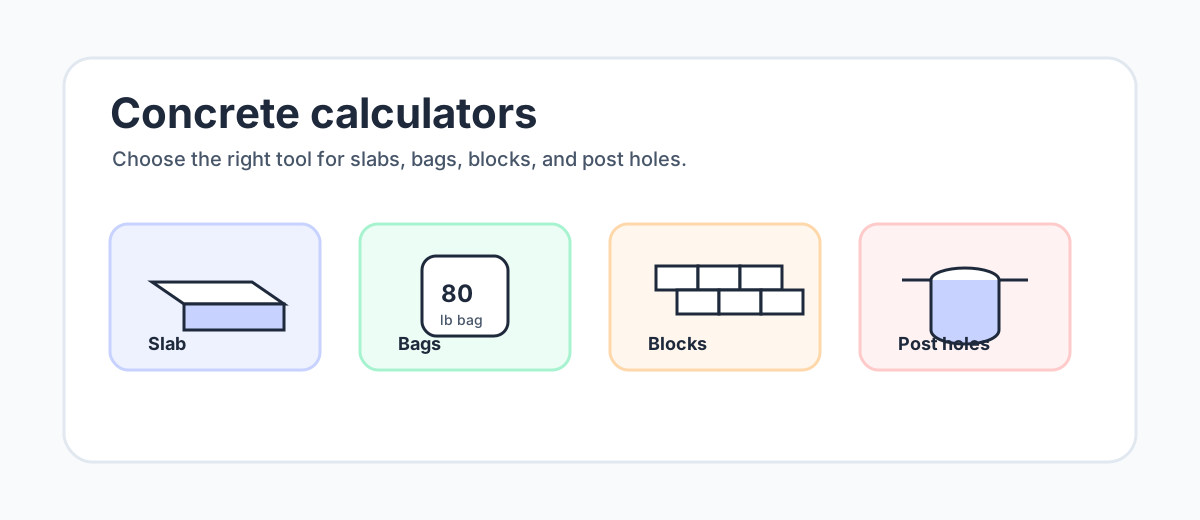
Use the most specific calculator for the job in front of you. A slab calculator keeps thickness and square footage visible for patios, sidewalks, pads, and shed bases. A bag calculator is better when you already know the shape but need to compare 40, 50, 60, and 80 lb bags. A post-hole calculator uses cylinder volume for fence, deck, and mailbox posts. A block calculator estimates concrete masonry units, mortar bags, and optional core fill, which is a different workflow from flatwork.
What do these calculators include?
The live tools focus on material planning: cubic feet, cubic yards, bag counts, block counts, mortar, waste factor, and printable estimates. They do not turn the estimate into a supplier quote, structural design, or local building-code approval. That distinction matters for AdSense trust and for users: the calculator shows the math, while the final order should still be checked against the product bag, supplier ticket, or local code requirement.
Each calculator also exposes the assumptions behind its result. Bag pages list approximate yields, block pages state the mortar and CMU sizing assumptions, and post-hole pages call out frost-depth limits. That makes the hub a navigation page, not a doorway page: the user can see why each tool exists and choose the one that fits the material decision.
Live concrete calculators
These pages are published, indexable, and listed in the sitemap. Held tools are not linked here until they clear the same content and rollout gates.
Slab Calculator
Estimate concrete for slabs, patios, garage floors, and walkways. Get cubic yards, bags, and waste from slab length, width, and thickness.
Bag Calculator
Calculate how many 40, 50, 60, or 80 lb bags of concrete you need from your dimensions. Compare bag sizes side by side with a waste factor.
Yard Calculator
Convert your dimensions into cubic yards of concrete with a waste factor and ready-mix ordering notes, so you order the right amount the first time.
Cost Calculator
Estimate concrete material cost from your bag price or cubic-yard price, quantity, and waste factor. Compare bagged vs ready-mix material cost.
Slab Cost Calculator
Estimate slab or pad concrete material cost and an optional installed cost from size, thickness, your local price, and waste factor — material vs installed.
Block Calculator
Estimate concrete blocks, mortar bags, and optional core fill for a block wall from wall length, height, and block size — with a waste factor.
Post Hole Calculator
Post hole concrete calculator for fence, deck, and mailbox posts. Estimate cubic feet, bags per hole, total bags, waste factor, and frost-depth notes.
Footing Calculator
Concrete footing calculator for strip and spread footings. Estimate cubic yards, bags, and a waste factor from footing length, width, and thickness.
Volume Calculator
Concrete volume calculator: convert length, width, and thickness into cubic feet, cubic yards, and cubic meters, with the formula and a waste factor.
Pad Calculator
Concrete pad calculator for small pads — AC, generator, shed, and hot-tub pads. Estimate bags, cubic feet, and yards from pad length, width, and thickness.
Concrete guides
Read the guide pages when you want to verify the formula, bag yields, or switching point between hand-mixed bags and ready-mix delivery.
Tools held for later rollout
Why is the driveway-cost page missing?
The concrete driveway-cost page is built as a draft slot but intentionally hidden from users, sitemap, related links, and search crawlers until it gets a dedicated driveway engine — gravel base, reinforcement, removal, thickness and drainage — because a slab reskin would be a low-value doorway page. The yard, cost, and slab-cost calculators above are now live alongside the rest of the library.
How should I start a concrete estimate?
Measure the actual formed dimensions, pick the calculator that matches the shape, keep the default 10% waste factor unless your site is unusually clean or rough, and round up any material you must buy in whole units. For larger pours, compare the calculator's cubic-yard result with a local ready-mix supplier before buying dozens of bags.
If the estimate will be used for a quote request, print or copy the result and include the dimensions, waste factor, bag size, and any site notes. Suppliers can then adjust for local mix availability, short-load fees, delivery access, weather, and minimum-order rules.